Skin aging is a natural process in which the skin's elasticity and moisture retention capacity decline over time. Skin aging can be accelerated by various internal and external factors such as UV exposure, oxidative stress, hormonal changes, and lifestyle. This article comprehensively organizes the causes and physiological mechanisms of skin aging, prevention methods you can practice in daily life, and medical management methods. Understanding skin aging and managing it systematically can help you maintain healthy, youthful skin for a long time.
Causes and Physiological Mechanisms of Skin Aging
Skin aging is divided into intrinsic (internal) aging and extrinsic (externally induced) aging. Intrinsic aging is a natural process regulated by genes and hormones, in which the skin cell regeneration cycle slows and the production of collagen and elastin decreases with age. In particular, after the 30s, collagen decreases by 1% each year, reducing skin elasticity. Extrinsic aging, on the other hand, is induced by environmental factors such as UV, air pollution, oxidative stress, smoking, and irregular sleep.
Photoaging and UV Damage
Photoaging refers to skin aging caused by ultraviolet (UV) exposure and is the main cause, accounting for 80% of skin aging. UV penetrates the epidermis and dermis, causing DNA damage and generating free radicals (reactive oxygen species) that damage cells. UV-induced damage may not appear immediately, but as it accumulates, it appears as wrinkles, age spots, blemishes, and skin sagging. It also stimulates melanin production to cause pigmentation and increases skin moisture loss, worsening dryness.
Skin Moisture Loss and Barrier Damage
With age, the lipid content of the skin's stratum corneum decreases and the pH rises, weakening the skin barrier. When the skin barrier is damaged, transepidermal water loss (TEWL) increases, drying the skin and promoting the formation of wrinkles and fine lines. In addition, a weakened skin barrier makes it easier for external irritants and pathogens to penetrate, causing inflammation and sensitivity, which creates a vicious cycle that accelerates skin aging.
Collagen Decline and Loss of Elasticity
Collagen is the main structural protein of the skin, maintaining its elasticity and firmness. With age, fibroblasts' capacity to synthesize collagen decreases, while the activity of enzymes that promote collagen breakdown (matrix metalloproteinases, MMPs) increases. This reduces skin elasticity, and the skin sags under gravity. Elastin decline also contributes to the loss of skin elasticity, leading to the formation of deep wrinkles such as nasolabial folds, glabellar lines, and forehead lines.
Skin Aging Prevention Methods in Daily Life
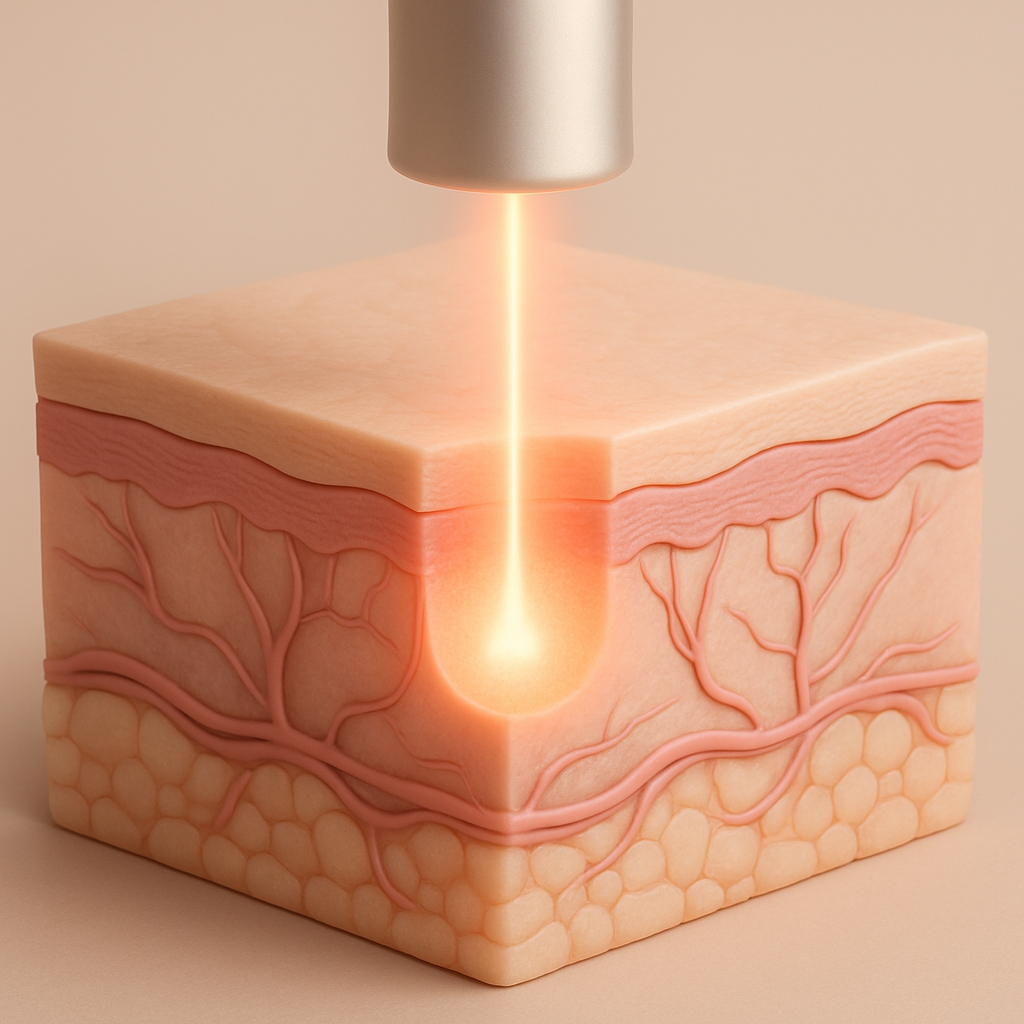
Preventing skin aging begins with small daily habits. Through systematic prevention, skin aging can be delayed by at least 5 to 10 years, and the earlier you start, the greater the effect. Because prevention is far more cost-effective and has fewer side effects than treatment, it is the wisest skin care method.
The Importance of UV Protection and How to Practice It
UV protection is the most basic yet most effective method of preventing skin aging. Using a vitamin C essence or serum before applying sunscreen each morning can interfere with abnormal pigment production, helping age spots and melasma fade. It is best to choose a broad-spectrum sunscreen (SPF 30 or higher, PA+++) that can block both UVB and UVA. If you have a lot of outdoor activity, reapply every two hours, and use sunscreen daily even on cloudy days, since UV still reaches the skin. In addition, because UV is also transmitted indirectly through reflected light and other means, it is effective to combine physical barriers such as sunglasses, a hat, and long-sleeved clothing with sunscreen.
Adequate Hydration and Moisturizing Care
Adequate hydration raises the skin's internal moisture content, relieving dryness, fine lines, and sagging. The recommended daily water intake is 30–35 ml per kg of body weight, adjusted for individual activity level, climate, and health. However, since water intake alone cannot prevent moisture evaporation from the skin surface, external moisturizing must also be done at the same time. It is best to choose moisturizing products containing hyaluronic acid, glycerin, ceramides, and panthenol and use them morning and evening. Because excessive cleansing removes the skin's natural oils and damages the barrier, it is important to cleanse gently with lukewarm water once or twice a day and apply moisturizer within three minutes of cleansing.
The Role and Selection of Antioxidant Ingredients
Antioxidant ingredients neutralize the free radicals generated by UV and environmental pollution to prevent cell damage. Vitamin C is an antioxidant that promotes collagen synthesis and improves pigmentation; you should choose products containing a stabilized form (L-ascorbic acid or ascorbic acid derivatives). Vitamin E has an enhanced antioxidant effect when used with vitamin C and also helps strengthen the skin barrier. Niacinamide (vitamin B3) promotes skin lipid synthesis and has an anti-inflammatory action that helps repair the skin barrier. Retinol and retinoids promote cell regeneration and stimulate collagen production, making them effective at improving wrinkles; starting at a low concentration and gradually increasing it is recommended.
Avoiding Factors That Accelerate Skin Aging
Smoking constricts blood vessels, reducing the supply of oxygen and nutrients to the skin, while increasing free radical generation and promoting collagen breakdown. A smoker's skin can look more than 10 years older than their actual age compared to a non-smoker. Excessive alcohol intake causes skin moisture loss and inflammation and impairs the liver's detoxification function, hindering skin regeneration. Irregular sleep and stress increase cortisol secretion, weakening the skin barrier and promoting the inflammatory response, so getting seven or more hours of regular sleep between 10 p.m. and 2 a.m. is important. A high-calorie, high-fat, high-sugar diet causes skin inflammation and damages collagen through a process called glycation, so you should maintain a balanced diet including fresh fruits, vegetables, and low-fat protein.
Managing Skin Aging Through Diet and Nutrients
Skin health is directly linked to the body's nutritional state, and appropriate nutrient intake enhances the skin's self-regeneration capacity to delay aging. Consuming foods containing antioxidant nutrients and structural proteins is the foundation of preventing skin aging.
Antioxidant Foods and Trace Elements
Berries (blueberries, strawberries, raspberries) contain powerful antioxidants such as anthocyanins and ellagic acid that neutralize free radicals. The catechins in green tea enhance the skin's antioxidant defenses and improve skin blood flow to promote nutrient supply. Lycopene in tomatoes and beta-carotene in carrots and spinach have a skin-protective effect against UV. Nuts (almonds, walnuts) and seeds (sunflower seeds, sesame) are rich in vitamin E and essential fatty acids that help strengthen the skin barrier. Oysters, lean beef, and pumpkin seeds contain zinc, which promotes skin cell regeneration and wound healing, and the omega-3 fatty acids in marine fish (salmon, mackerel) relieve skin inflammation and improve skin moisture content.
Protein and Collagen Supplementation
Because collagen and elastin, the skin's main components, are made of amino acids, adequate protein intake is essential. It is recommended to consume high-quality protein foods such as chicken breast, fish, eggs, beans, and yogurt at every meal. Recent studies on hydrolyzed collagen (collagen peptide) supplements report that consistent intake increases skin moisture content and helps improve wrinkles. However, orally consumed collagen is not 100% absorbed into the skin, and individual variation is large, so consulting a medical professional is recommended. Vitamin C-containing foods (oranges, bell peppers, broccoli) promote collagen synthesis, so consuming them together can be expected to have a synergistic effect.
Medical Methods for Managing Skin Aging
When lifestyle improvements and skincare alone do not achieve the desired results, medical intervention is a complementary method of managing skin aging. Medical procedures provide fast effects by activating the skin's self-regeneration capacity or directly improving damaged tissue. All procedures should be personalized to an individual's skin condition, goals, and health.
Lasers and Non-Invasive Light Therapy
Laser toning is a treatment that repeatedly stimulates the skin with a low-energy laser to promote fibroblast collagen production. Ultra-short-pulse lasers such as the pico laser, enLighten, and PicoWay improve pigment disorders (melasma, age spots, freckles) while brightening skin tone and improving elasticity. IPL (intense pulsed light) uses broadband light to improve vascular damage, pigmentation, and skin texture, with little downtime for a fast return to daily life. Because these non-ablative laser treatments induce collagen regeneration in the dermis without damaging the epidermis, they have almost no downtime and high safety. The treatment interval is two to four weeks, and 5 to 10 repeat sessions are recommended to see results.
Ablative Lasers and Radiofrequency Treatment
The Fraxel laser partially removes (ablates) the epidermis and dermis with ultra-fine energy beams while stimulating the skin to induce powerful collagen regeneration. This treatment is effective at improving wrinkles, acne scars, and skin tone, but requires a 3- to 7-day crust-formation and recovery period. Radiofrequency treatment such as Thermage delivers heat to the skin to contract existing collagen and stimulate new collagen production. It has an immediate effect on improving skin sagging and, with no downtime, allows an immediate return to daily life. Ulthera (ultrasound) uses ultrasound energy to stimulate the deep dermis and even the fascia, making it especially effective at improving sagging of the face and neck.
Filler and Botox Procedures
Hyaluronic acid fillers fill wrinkles and depressed areas to provide an immediate volume-restoration effect. Injected into the dermis, they retain moisture and thus increase skin moisture content, while stimulating the skin's own collagen production over time. Botox (botulinum toxin) relieves excessive muscle contraction to improve expression lines (glabellar lines, forehead lines, crow's feet). Injecting 10–20 units each into the forehead, glabella, and around the eyes can achieve natural results, with the effect appearing from two weeks and lasting three to four months. Preventive Botox is a method of regularly performing the procedure before wrinkles form severely to slow their progression.
Chemical Peels and Microneedling
This is a procedure that applies chemicals such as glycolic acid, salicylic acid, and lactic acid to the skin to induce controlled epidermal exfoliation. Low-concentration peels are performed once or twice a week and high-concentration peels once or twice a month to stimulate skin regeneration and collagen production. They have effects on improving skin tone, reducing pores, and relieving acne scars, and if you have acne or sensitive skin, the peel intensity must be customized. Microneedling creates tiny perforations in the skin with ultra-fine needles (0.5–2.5 mm) to trigger the skin's self-regeneration capacity. Through repeated procedures, skin tone, elasticity, wrinkles, and acne scars improve, and with short downtime it can be received even amid a busy life.
Integrated Strategy and Precautions for Managing Skin Aging
Effective skin aging management requires an integrated strategy combining prevention, daily care, and medical intervention rather than a single method. It is important to establish a personalized plan tailored to your skin type, degree of aging, and goals, and to practice consistently from a long-term perspective rather than seeking short-term results.
Establishing a Step-by-Step Management Plan
The 20s to 30s are the period to focus on prevention by making UV protection, basic moisturizing, and antioxidant product use a habit. From the late 30s, you can introduce active ingredients such as vitamin C and retinol and, if needed, consider non-invasive procedures such as laser toning or skin boosters. In the 40s and beyond, wrinkles, sagging, and volume loss become prominent, so combined interventions such as fillers, Botox, and radiofrequency treatment help. It is important to perform all procedures sequentially at intervals of four weeks or more to give the skin time to adapt.
The Importance of Consulting a Dermatologist
Skin aging varies greatly in pattern and speed depending on an individual's genetic predisposition, living environment, and health. It is difficult for a layperson to accurately diagnose their own skin condition or choose a procedure suited to themselves. A dermatologist can objectively assess the current degree of aging through skin examination, palpation, and, if needed, skin imaging technology, and establish a personalized management plan. In addition, if you have a specific skin disease (acne, sensitive skin, dermatitis) or systemic disease (diabetes, thyroid disease), a safe procedure plan that accounts for these is needed.
Post-Procedure Care and Expected Side Effects
Most skin aging treatments can involve some side effects. After laser treatment, temporary erythema, swelling, and stinging may appear, relieved by sunscreen use and moisturizing. With ablative lasers, a crust forms and peels over 3 to 7 days, during which antibiotic ointment and panthenol cream use is recommended. After filler or Botox injection, mild swelling and bruising may appear at the injection site, mostly resolving within one to two weeks. After a chemical peel, the skin can become sensitive, so it is important to use a strong sunscreen and avoid excessive cleansing for two weeks. After microneedling, avoid high-irritation products (vitamin C, acidic products) for 24 hours and focus on gentle cleansing and moisturizing.
Setting Expectations and Evaluating Results
The results of skin aging treatment vary by individual, and a single procedure may not be expected to produce a large change. Because most non-invasive procedures (laser toning, IPL, radiofrequency) show a cumulative effect over 5 to 10 repeat sessions, it is important to approach them from a long-term perspective. Result evaluation is recommended at least four weeks after the procedure, and because new collagen formation continues, you can experience continued improvement for up to three months. Objectively evaluating results through regular follow-up consultations with a dermatologist and adjusting the treatment plan as needed is efficient.
Q. Can skin aging be stopped completely?
Because skin aging is a natural physiological phenomenon that occurs over time, it cannot be stopped completely. However, with proper prevention and management, the pace of aging can be considerably delayed. Starting UV protection, moisturizing, and antioxidant products early can delay skin aging by 5 to 10 years, and adding medical intervention as needed is even more effective. Because prevention is far more efficient and cost-effective than treatment, it is important to start as early as possible.
Q. Should sunscreen be used every day?
Yes, sunscreen is recommended for daily use regardless of season or weather. UV reaches the earth even on cloudy days and partially penetrates through windows indoors. In particular, since UVA has a similar intensity year-round, it is best to use a broad-spectrum sunscreen of SPF 30 or higher and PA+++ or higher all year. If you have a lot of outdoor activity, reapply every two hours, and at your evening cleanse, use a cleansing foam or cleansing oil to remove it completely.
Q. At what age should skin aging treatment begin?
Because the earlier the better for skin aging prevention, starting in your 20s is ideal. However, medical procedures are decided by the degree of aging. In your 20s to 30s, focus on basic skincare and UV protection, and from the late 30s you can consider preventive procedures such as laser toning and skin boosters as needed. In your 40s and beyond, wrinkles, sagging, and volume loss become clear, so combined interventions (fillers, Botox, radiofrequency treatment) are more effective. Most importantly, accurately identify your skin condition and consult a dermatologist.
Q. Can home-care products alone eliminate wrinkles?
Advanced home-care products also help with skin aging management, but it is difficult to completely eliminate deep wrinkles that have already formed. Home care is effective at improving surface hydration and skin tone and at the preventive role of delaying future wrinkle formation. To improve existing deep wrinkles, sagging, and volume loss, medical procedures such as lasers, radiofrequency, fillers, and Botox are needed. The most ideal approach is an integrated strategy combining home care and medical procedures, using home care to maintain and enhance the procedure's effect.
Q. Are expensive premium skincare products more effective than cheaper ones?
Price and effectiveness are not necessarily proportional. What matters is the content of active ingredients, their stability, and their compatibility with your individual skin. For vitamin C serum, a 10–20% concentration and for retinol a 0.25–1% concentration can provide sufficient effect. Among products across various price ranges, it is wise to choose one that appropriately contains these active ingredients and suits your skin type. In addition, because even an expensive product can irritate your skin, it is recommended to always patch-test a new product (test on a small area first) and adapt slowly.
Notice under Article 56 of the Medical Service Act: This article is intended to provide dermatological information and does not replace diagnosis or prescription. Results may vary from person to person. For specific consultation on skin aging management, please consult a dermatologist.