The recovery period after acne scar treatment varies greatly depending on the procedure you choose, the depth of the scars, and your individual capacity for skin regeneration. This article explains in detail the recovery timeline, downtime, and time to complete recovery for each common acne scar treatment method. If you are considering acne scar treatment, understanding a realistic recovery period in advance lets you plan your return to daily life and work.
Understanding the recovery period after acne scar treatment is a key factor when deciding on a procedure, because it is a step-by-step process from immediately after treatment to returning to daily life and finally confirming the outcome. Because the number of sessions and intervals required differ by scar type, the total treatment period also varies considerably.
Types of Acne Scars and Treatment Difficulty
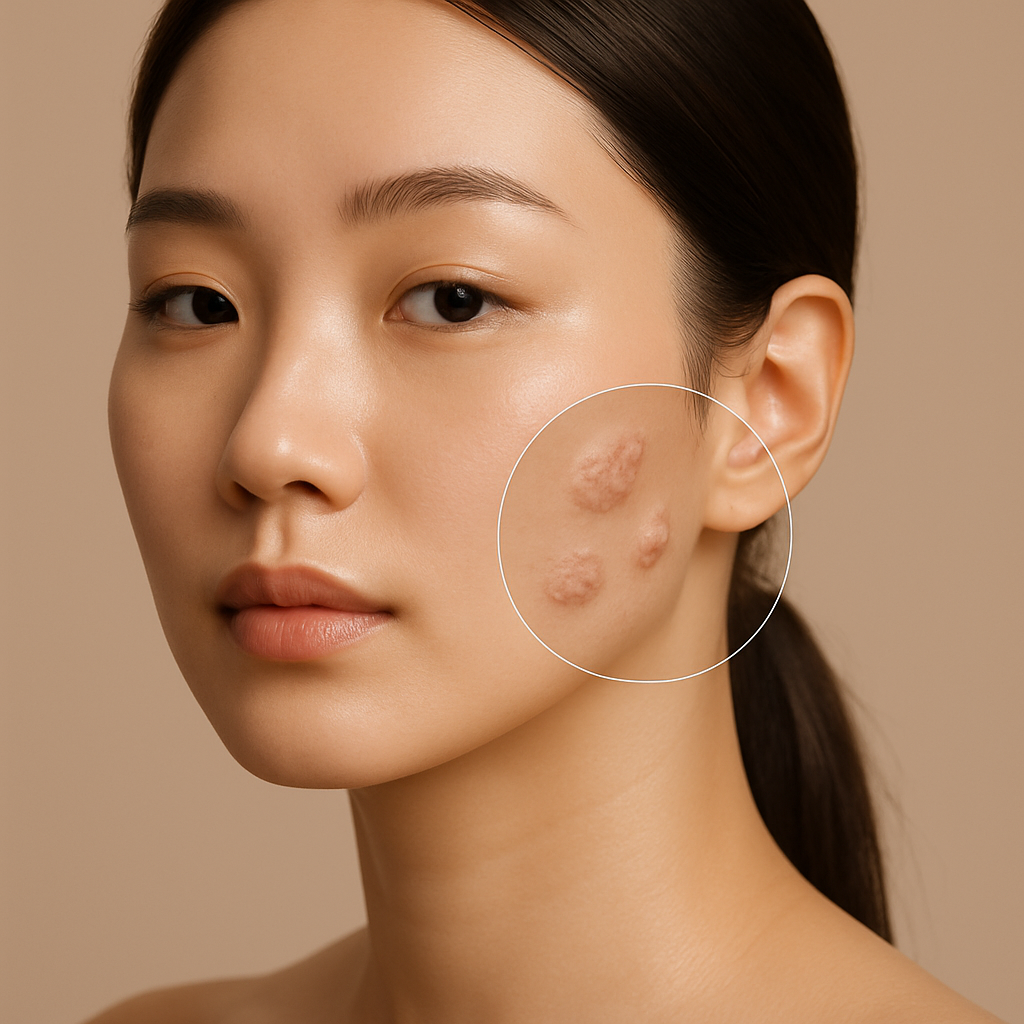
The recovery period for acne scar treatment differs by scar type. Scars are broadly divided into atrophic scars (depressed scars) and hypertrophic scars (raised scars), and each requires a different treatment approach. Among atrophic scars, they are further classified by depth and shape into icepick scars, boxcar scars, and rolling scars, and these affect treatment difficulty and recovery time.
Icepick Scars and Recovery Period
Icepick scars are deep, narrow scars that look as if punched with an awl. These scars are difficult to treat, so recovery also takes relatively longer. Treating icepick scars requires multiple sessions, with time for the skin to regenerate between each session. In general you should expect a treatment period of at least six months, and deep scars can take more than twelve months. Downtime ranges from one to three weeks depending on the procedure.
Boxcar Scars and Recovery Period
Boxcar scars are scars with vertical, right-angled edges — broad in area yet relatively uniform in depth. This type tends to respond to treatment better than icepick scars, so the recovery period can be shorter. In general three to five sessions at intervals of three to four weeks are recommended, with a recovery period between sessions of about one to two weeks. The total treatment period takes roughly three to five months, and the final result can be confirmed two to three months after the last session.
Rolling Scars and Recovery Period
Rolling scars are scars where the skin is gently depressed in a wave-like pattern. They tend to respond best to treatment, so the recovery period is relatively short. Meaningful improvement can be expected with just three to four sessions at three-week intervals, and the recovery period between sessions is less than one week. The total treatment period is about two to three months, and downtime tends to be short as well.
Recovery Period and Downtime by Procedure Type
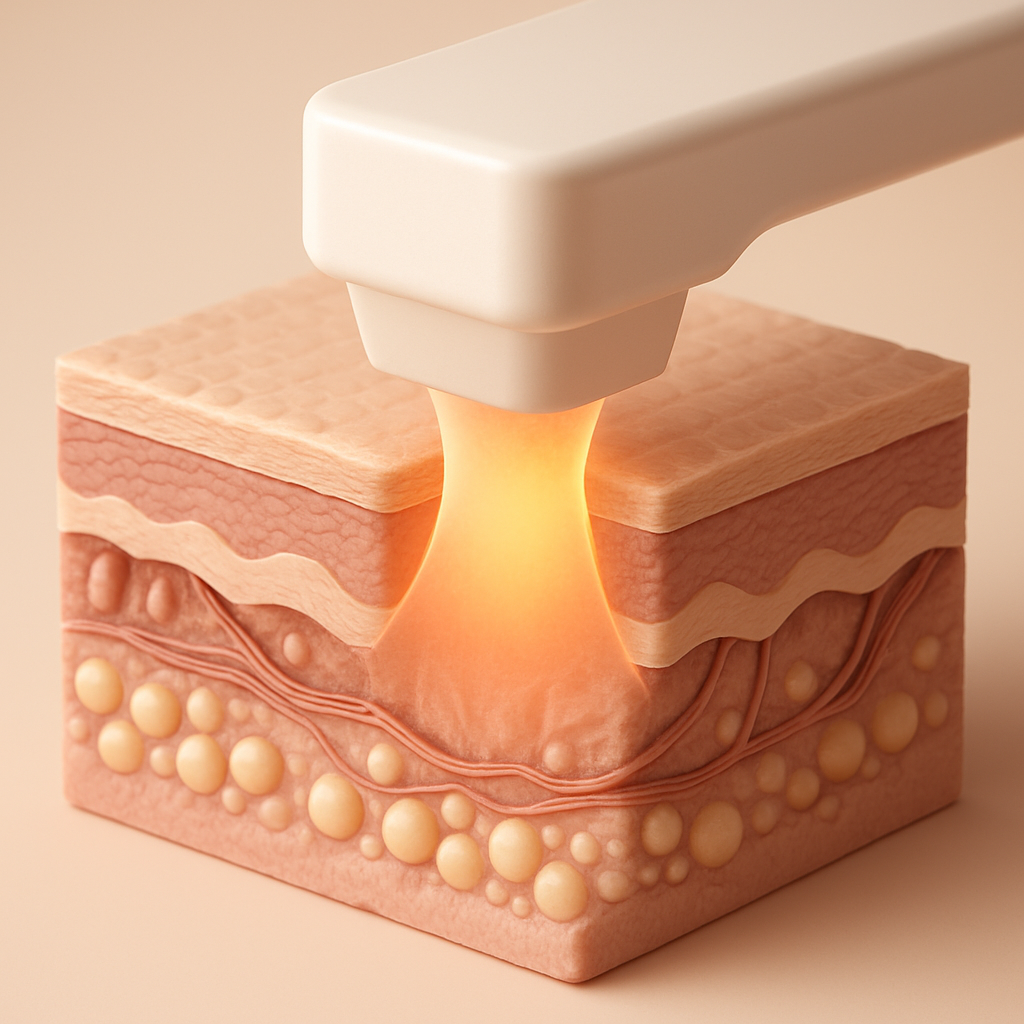
The recovery period after acne scar treatment shows its biggest differences depending on the procedure chosen. Non-ablative laser treatment has short downtime but requires multiple sessions, while ablative laser treatment has long downtime but delivers results in fewer sessions. Understanding exactly the characteristics and recovery timeline of each procedure lets you plan your return to daily life and work.
Pico Fraxel Laser and Recovery Period
Pico Fraxel is a non-ablative laser that delivers extremely fine energy in picosecond pulses, minimizing damage to the epidermis. The biggest advantage of this procedure is that it has almost no downtime. Slight redness and fine swelling appear immediately after the procedure but naturally subside within one to two weeks. You can return to daily life from the day after the procedure, and makeup can be applied right away. However, because it acts only on the epidermal layer, treating deep scars requires multiple sessions. Typically five to eight sessions are performed at four- to six-week intervals, and the total treatment period takes about five to eight months.
Fraxel Laser and Recovery Period
Fraxel is a fractional CO2 laser that stimulates the epidermis and shallow dermis to induce collagen regeneration. Because the microscopic treatment zones form a pattern, epidermal damage is only partial. Redness and swelling appear clearly for about three to five days after the procedure, and a crust (scab) forms and then naturally sheds after about one to two weeks. Downtime is about seven to ten days, during which going out or returning to work may be difficult. For office workers, if you want to return to work on Monday, a Saturday or Sunday procedure is recommended. Three to five sessions are performed at three-week intervals, with at least a two-week rest period between sessions for skin regeneration. The total treatment period is about two to three months, and the final result is confirmed eight to twelve weeks after the last session.
CO2 Laser and Recovery Period
The CO2 laser is an ablative laser that inflicts thermal damage on the full epidermis and into the dermis to induce powerful collagen remodeling. Its effect is significant, but it has the drawback of the longest downtime. Considerable swelling and heat begin immediately after the procedure and worsen over the following 72 hours. A thick crust forms and persists for about two to three weeks, and even after it fully sheds, redness remains for about four weeks. Downtime is at least two to three weeks, and going out or returning to work is possible two to three weeks later, after the crust has mostly shed. Because of the risk of pigmentation, UV protection is very important, and outdoor activity should be avoided during recovery. For deep scars, two to three sessions are sufficient, but the interval between sessions needs to be at least eight to twelve weeks. The total treatment period is about four to six months.
RF Microneedling and Recovery Period
RF microneedling is a non-ablative method that stimulates the dermis with ultra-fine needles while simultaneously delivering radiofrequency energy. It acts more deeply than Pico Fraxel but has shorter downtime than the CO2 laser. Redness and swelling last for about three to five days after the procedure, and fine scabs form and then shed within one week. Downtime is about five to seven days, so even office workers can return one week later. Four to six sessions are performed at three- to four-week intervals, and the total treatment period takes about four to five months.
Step-by-Step Recovery Process After the Procedure and Precautions
Recovery after acne scar treatment proceeds through defined stages. Understanding the symptoms at each stage from immediately after the procedure until the skin fully normalizes, and responding appropriately, can shorten the recovery period. Moreover, how you care for your skin during recovery has a major impact on the final result.
First 24 Hours After the Procedure: Initial Inflammation Stage
The first 24 hours after the procedure is the skin's initial inflammatory response stage. The treated area feels warm, appears red or purplish, and swelling increases over time. With some procedures (especially the CO2 laser), blisters or exudate may appear at this stage. Cold compresses are very important during this period. Repeating a 15-minute cold compress every four to six hours during the first 24 hours can significantly reduce swelling and heat. Avoid irritating cleansers, essences and toners, and wash gently with plain water only. Applying a thin layer of antibiotic ointment (such as clotrimazole or mupirocin) helps prevent infection.
Days 2–7: Crust Formation and Persistent Swelling Stage
With ablative methods such as Fraxel or the CO2 laser, a brown or black crust begins to form from days two to three. Non-ablative RF microneedling can also form fine scabs. Swelling peaks around days three to five, then gradually subsides. A forced return to daily life should be avoided at this stage. Forcibly peeling the crust can cause pigmentation or additional irritation, so wait until it sheds naturally. After washing gently with lukewarm water, use an anti-inflammatory cream (a product containing panthenol or centella). Reapply sunscreen (SPF 30 or higher) every two hours daily to prevent pigmentation.
Weeks 1–2: Crust Shedding and Redness Stage
The crust mostly sheds naturally between days 7 and 14. After the crust sheds, the skin appears pink or light red, which is a normal part of recovery. The skin is still sensitive at this stage, so only mild skincare should be used. Avoid products containing vitamin C essence or vitamin A (retinol) for at least three weeks. Use cold compresses only when needed; moisturizing and UV protection are the priorities. If you want makeup, use a light product such as mineral foundation.
Weeks 2–4: Reduced Redness and Skin Recovery Stage
As you pass the two-week mark, redness begins to gradually subside. In the case of ablative procedures, this is the period when a completely new epidermal layer is forming. Skin tone gradually normalizes at this stage, though slight redness may remain. By around week four, everyday activities and returning to work become possible. Faithfully using sunscreen when going out avoids major problems. Moisturizing serums and creams can be used normally, and sheet masks can be started with low-irritation products first.
Months 1–3: Long-Term Recovery and Skin Remodeling Stage
As you pass one month after the procedure, redness fades further and skin tone returns to normal. However, during this period the dermis continues collagen regeneration and remodeling. For non-ablative procedures (Pico Fraxel, RF microneedling), multiple sessions are scheduled, so the next session proceeds at the set interval. Because the next session is received before the skin is fully stabilized, an adequate rest period between sessions is necessary. Antioxidant care with products containing vitamin C or peptides can accelerate skin recovery.
Months 3–6: Final Result Confirmation Stage
The final result can be confirmed six to twelve weeks after the last session. Collagen regeneration in the dermis has occurred sufficiently, and skin tone has fully normalized. This is the point to judge how much the acne scars have improved and whether additional treatment is needed. Because results differ by individual capacity for skin regeneration, additional treatment may need to be considered in some cases.
Differences in Recovery Period by Individual Skin Condition
The recovery period after acne scar treatment is not determined by the procedure alone. Recovery speed can differ greatly depending on individual skin condition, age, skin tone, and overall health. This is why, even with the same procedure, one person can return to daily life in one week while another may take two to three weeks.
Recovery Differences by Skin Type
Oily skin has active sebaceous glands and tends to regenerate faster. As a result, crust shedding is faster after the procedure and redness may fade sooner. In contrast, dry skin has a weaker skin barrier, so irritation reactions after the procedure can be greater. If you have dry skin, more thorough moisturizing care after the procedure speeds recovery. Sensitive skin likewise may have a stronger inflammatory response after the procedure, so receiving skin-stabilizing care beforehand is advisable.
Recovery Differences by Skin Tone
Darker skin tones (Asian, African) have a higher risk of post-procedure pigmentation than lighter tones. In particular, if pigmentation occurs after an ablative procedure, it can take an additional three to six months to return to normal skin color. Therefore, if you have a darker skin tone, be even more thorough with UV protection and consider using a brightening product containing tranexamic acid.
Recovery Differences by Age and Health
The older you are, the slower the skin tends to regenerate. Swelling that resolves in one week for someone in their 20s may take 10 to 14 days for someone in their 40s. In addition, diabetes, hypertension, or chronic stress can slow skin regeneration. Adequate sleep, a balanced diet, and stress management promote recovery.
Recovery Differences by Lifestyle
Smoking causes blood vessels to constrict, impairing oxygen supply to the skin and delaying recovery. It is best to quit smoking for at least two weeks after the procedure. Alcohol can also cause blood vessel dilation and increase swelling, so it is better avoided. Strenuous exercise can also increase blood flow and worsen swelling, so for one to two weeks after the procedure only light activity such as gentle walking is recommended.
Behaviors to Avoid During Recovery and Skincare Tips
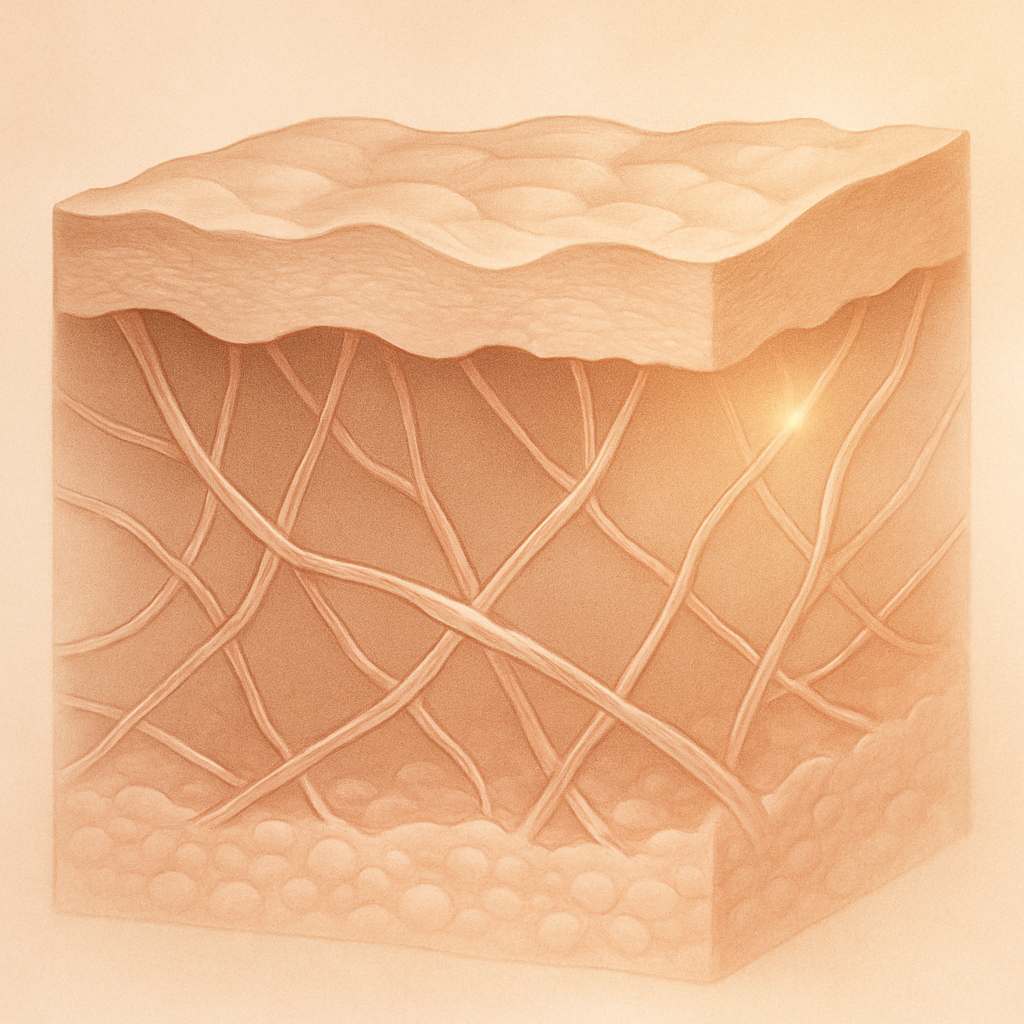
To effectively shorten the recovery period after acne scar treatment, you need to clearly know what not to do. Many patients maintain their existing skincare routine during recovery and experience unexpected side effects (pigmentation, flaking, worsening scars). Understanding exactly what is prohibited during recovery and the recommended skincare lets you achieve the best results.
Prohibited Behaviors During the First Two Weeks After the Procedure
The first two weeks after the procedure are the most important period of recovery, so care is needed. First, avoid using harsh cleansers. Ordinary cleansing oils and cleansing foams are too irritating, so wash only with plain water or a mildly acidic cleanser. Second, avoid using irritating ingredients (vitamin A, vitamin C, AHAs, BHAs, retinoids). These ingredients can irritate the skin, delay recovery, and trigger pigmentation. Third, avoid travel and outdoor activity. If the treated area is exposed to dust or a polluted environment, infection or pigmentation can occur. Fourth, avoid saunas, jjimjilbangs, and swimming pools. High-heat environments increase swelling, and bacteria in water can cause infection. Fifth, do not touch or peel the crust or scabs with your hands. Forcibly peeling can lead to pigmentation or new scars.
Recommended Skincare During the Recovery Period
Simplicity is key for skincare during recovery. Wash gently with lukewarm water, and when drying, pat rather than rub to absorb the water. Start using toner or essence one week later with mild products. Moisturize with a cream containing soothing ingredients such as centella, panthenol, or aloe vera. Sunscreen should be applied faithfully every day from two to three days after the procedure, ideally reapplied every two hours. Choose a product with SPF 30 or higher and PA+++ or higher. A mineral sunscreen with less physical irritation is preferable. If you want makeup, start one week later with a light cushion foundation, and remove it with a gentle, mild cleanser.
Pigmentation Prevention Care
Pigmentation is the most common side effect after acne scar treatment. The risk is especially high for darker skin tones or procedures received in summer. To prevent pigmentation, UV protection is essential. For the first one to two weeks after the procedure, reduce going out and, when you do, reapply sunscreen every 30 minutes. Wear a hat and sunglasses as well. Using a brightening product containing tranexamic acid (a vitamin K analog) or arbutin from two weeks onward helps prevent pigmentation. If persistent pigmentation occurs, you can consult at a follow-up three to six months later and consider additional treatment (laser toning, vitamin C brightening procedures).
Recovery Period Comparison Table by Procedure and Return-to-Life Guide

Comparing the recovery period by acne scar treatment method at a glance lets you choose a procedure that fits your lifestyle. The procedures suitable for office workers differ from those suitable for people with time to spare. Use the following information to make a realistic plan.
Short-Recovery Procedures for Office Workers
Pico Fraxel is the most suitable procedure for office workers. You can return to daily life the day after the procedure, with mild redness and fast recovery. Avoid the day right before an important meeting or outside event, but in an ordinary work environment there is no problem. RF microneedling also allows a return to work five to seven days later, so a Friday procedure allows a Monday return. Both require multiple sessions, but the discomfort between sessions is minimized.
Procedures for Those Who Can Use Vacation Time
The Fraxel laser requires a recovery period of one to two weeks, so it is well suited to summer vacation or long holidays. Since going out is possible after the crust sheds, you can be active in the mid-to-late part of your break. Receiving the procedure in winter, when the risk of pigmentation is lower, is recommended.
Cases With Long Leave or Ample Recovery Time
The CO2 laser requires two to three weeks of downtime, so it suits cases where long leave or remote work is possible. However, it offers the best results and requires fewer sessions, so the total treatment period may ultimately be shorter.
Guide by Expected Return Timing
3–5 days after the procedure: Pico Fraxel (slight swelling still present; sunglasses and a hat recommended). 7–10 days after: Fraxel (crust mostly shed, slight redness), RF microneedling (almost no redness). 2 weeks after: Fraxel (partial outings possible), CO2 laser (crust shedding). 3 weeks after: CO2 laser (full return to outings possible, sunscreen essential).
Q. Does recovery after acne scar treatment really take three to six months?
A. It depends on the depth of the scars, the procedure used, and the number of sessions required. Mild rolling scars may improve within three months over four Pico Fraxel sessions, while deep icepick scars can take more than six months with three CO2 laser sessions plus additional treatment. Because the skin needs six to eight weeks after each session to stabilize and form new collagen, this period is unavoidable.
Q. Is it okay if no crust forms after the procedure? Does the absence of crusting mean there was no effect?
A. Crusting occurs only with ablative procedures (CO2 laser, Fraxel) and appears little or not at all with non-ablative procedures (Pico Fraxel, RF microneedling). The presence or absence of crusting does not directly indicate the size of the effect. Ablative procedures use strong thermal damage to trigger rapid collagen regeneration, while non-ablative procedures use gentle stimulation to induce gradual collagen buildup. That said, ablative procedures may show faster results.
Q. Can I go to a sauna or jjimjilbang during the recovery period?
A. High-heat environments are prohibited during recovery. Heat causes blood vessels to dilate, worsening swelling and raising the risk of pigmentation. In addition, the moisture and heat of saunas and jjimjilbangs soften the crust and increase the risk of infection. You should avoid saunas and jjimjilbangs for at least two to three weeks after the procedure, and even afterward, indoor high-heat facilities with inadequate UV protection can cause additional skin damage, so caution is needed.
Q. Does wearing makeup during the recovery period reduce the effectiveness of scar treatment?
A. Light makeup applied at the appropriate time does not affect treatment results. However, in the early recovery phase (three to five days after the procedure), a crust is still forming, so avoiding makeup is better for preventing infection and minimizing skin irritation. From about one week after the procedure, lightly covering with a low-irritation product such as mineral foundation is fine. What matters is using a gentle cleanser and not rubbing when you remove it.
Q. They say recovery time varies from person to person — how can I know how long it will take for my skin?
A. An accurate recovery period can be predicted through a consultation with a specialist. The specialist comprehensively evaluates the depth, shape and number of scars, along with your skin type, tone, age and overall health, to estimate the expected recovery period. In general, the healthier and younger the skin and the shallower the scars, the faster the recovery. Smoking or chronic illness can delay it. Observing your recovery after the first session allows a more accurate prediction of the recovery time for subsequent sessions.
Notice under Article 56 of the Medical Service Act: This article is intended to provide general medical information about the recovery period of acne scar treatment and does not replace individual diagnosis or prescription. Because the recovery period and treatment process may differ according to each person's skin condition, scar characteristics and health, please establish an accurate consultation and treatment plan through a direct examination with a specialist.