The principle of the UltraClear 2910nm Cold Fiber laser is a next-generation laser technology that precisely targets skin tissue using the 2910nm wavelength, which has the highest level of absorption in water molecules. This article explains in detail the basic working principle of the UltraClear 2910nm Cold Fiber laser, Cold Ablation technology, the energy delivery mechanism by skin layer, comparison with other lasers, and the treatment effect and safety. Understanding the principle of the UltraClear 2910nm Cold Fiber laser makes it clear how this procedure differs from conventional laser treatment and why more precise skin regeneration is possible.
What Is the UltraClear 2910nm Cold Fiber Laser
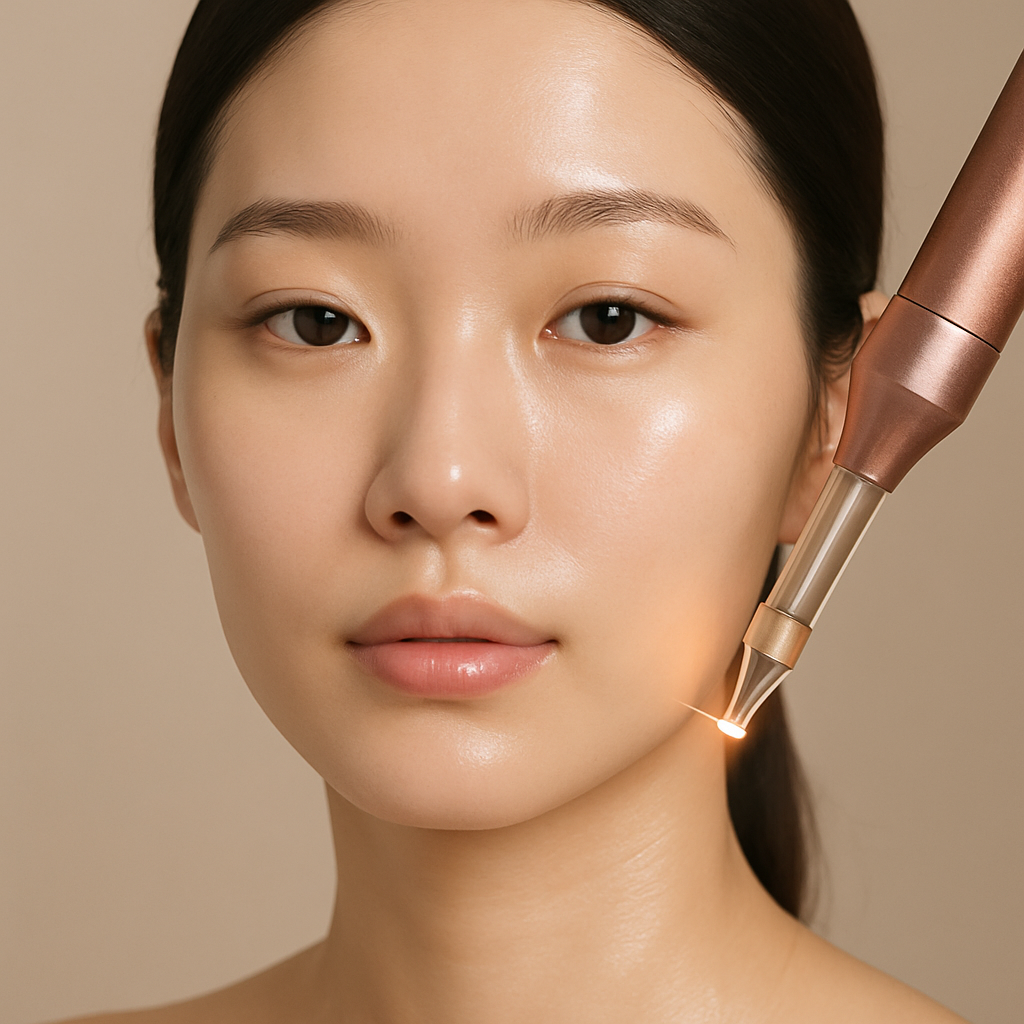
UltraClear is a 2910nm-wavelength fiber laser equipped with the world's first high-speed Cold Ablation technology. This device was developed based on fluoride glass fiber and enables far more precise targeting of skin tissue than conventional lasers. The UltraClear 2910nm Cold Fiber laser was developed for Total Facial Rejuvenation and acts on skin layers of various depths, from the epidermis (stratum corneum) to the dermis. This technology treats not just the surface but stimulates multiple skin layers simultaneously to enable comprehensive skin improvement. In addition, because it is a Cold Ablation method, it minimizes thermal damage to shorten the recovery period and reduce side effects.
Characteristics of the 2910nm Wavelength and the Reason for Its Selection
The reason the 2910nm wavelength is the core of the UltraClear 2910nm Cold Fiber laser is that this wavelength has the highest absorption coefficient in water (water molecules). Because about 70% of human tissue is composed of water, laser energy of the 2910nm wavelength is very efficiently absorbed by water molecules in the tissue. Unlike other-wavelength lasers, where energy is scattered when penetrating deep into the skin or the unabsorbed portion is converted to heat, UltraClear 2910nm releases energy only at the exact location where water molecules are present. As a result, it reaches precisely deep into the skin while minimizing thermal damage to surrounding tissue. The 2910nm wavelength also has low absorption characteristics for other chromophores (e.g., melanin, hemoglobin), reducing the risk of damage to off-target tissue.
The Role of Fluoride Glass Fiber
The UltraClear 2910nm Cold Fiber laser uses fluoride glass fiber technology. Because conventional silica-glass-based fiber lasers cannot transmit the 2910nm wavelength, UltraClear developed a special fluoride glass fiber that can stably transmit the 2910nm wavelength. This fiber delivers laser energy to the handpiece without loss, ensuring output stability and treatment accuracy. In addition, due to the fiber's characteristics, it can operate at a high-speed pulse rate, shortening treatment time while maintaining precision.
The Principle of Cold Ablation Technology
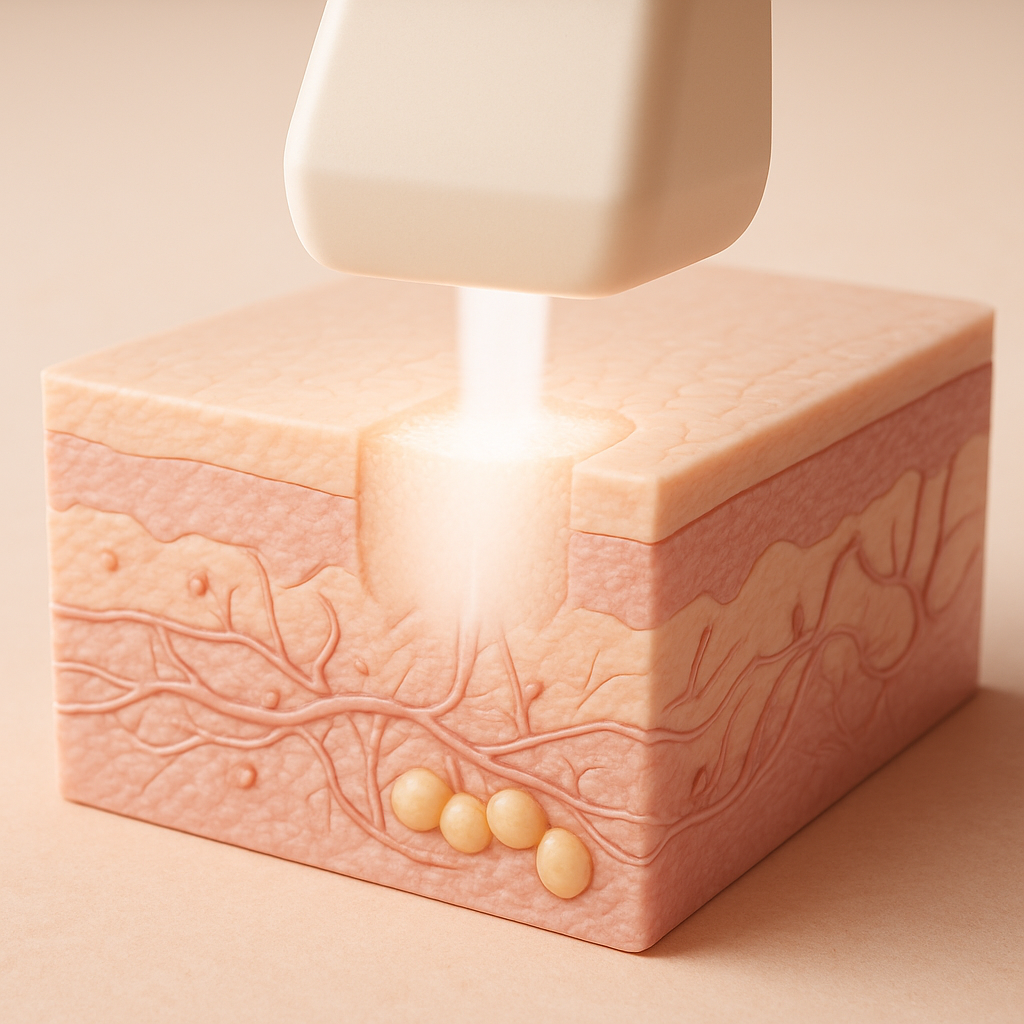
Cold Ablation is the core technology of the UltraClear 2910nm Cold Fiber laser, a method of removing or stimulating skin tissue without thermal damage. This technology is based on the principle that, the moment laser energy is absorbed by water molecules, it directly vaporizes the tissue. That is, without damaging surrounding tissue with thermal energy, photon energy directly breaks the chemical bonds of water molecules to remove tissue. This is called "direct photochemical interaction" and is the biggest difference from conventional heat-based lasers (e.g., CO2 laser, erbium laser).
The Difference Between Cold Ablation and Thermal Ablation
Thermal Ablation lasers overheat water molecules in the tissue to convert them to a vapor state, and the heat generated in this process spreads to surrounding tissue, causing a risk of thermal injury. Cold Ablation, on the other hand, directly breaks the chemical bonds of water molecules to remove tissue, so heat spread is minimized. Therefore, the Cold Ablation-based UltraClear 2910nm has a short recovery period (downtime) and fewer thermal-damage side effects such as redness, swelling, and pigmentation. Also, because there is less damage to normal skin, safe repeat treatment is possible.
Energy Settings and Tissue Targeting
The UltraClear 2910nm Cold Fiber laser can finely adjust the energy density (fluence), pulse width, and depth of penetration according to the treatment goal and skin type. When set to low energy, it induces limited epidermal damage to achieve a peeling effect; medium energy stimulates the dermal-epidermal junction to remove melanin pigment. When set to high energy, it stimulates fibroblasts in the deep dermis to induce collagen remodeling. Such flexible settings are possible because UltraClear 2910nm can accurately detect the difference in water content of each skin layer and concentrate energy only on the water molecules of the target layer.
Energy Delivery Mechanism by Skin Layer
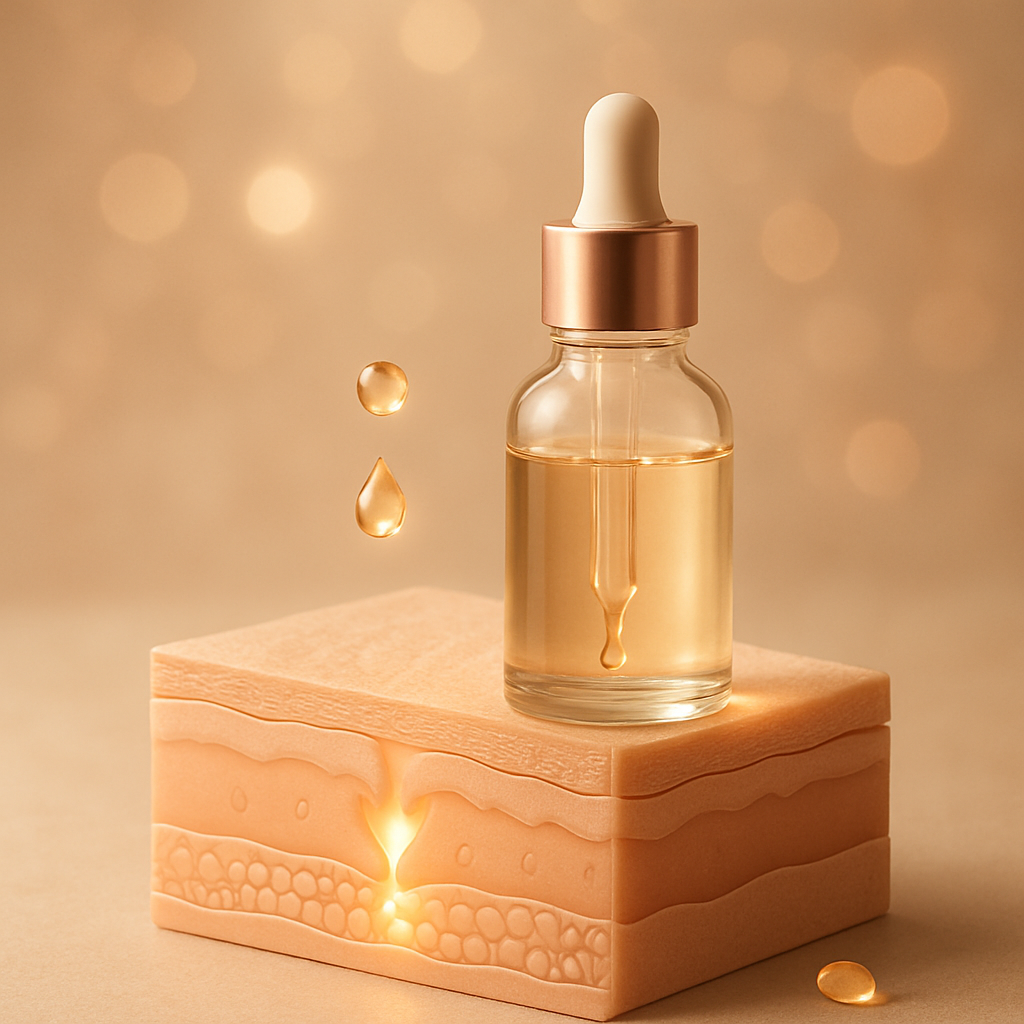
The UltraClear 2910nm Cold Fiber laser delivers energy to different depths at each layer — the epidermis, the dermal-epidermal junction, the dermis, and the subcutaneous tissue. This is because the water content and optical characteristics of each skin layer differ. In the epidermis, the stratum corneum is relatively dry, but the lower epidermal layers (stratum spinosum, stratum basale) maintain a high water content. The dermis is filled with fibroblasts, blood vessels, nerves, and structural proteins such as collagen and elastin, and contains about 70% or more water. The 2910nm wavelength of UltraClear 2910nm targets the water of each of these layers to realize layer-by-layer customized treatment.
Energy Action in the Epidermis
When UltraClear 2910nm is applied to the epidermis, it targets the water of the upper epidermis (especially the stratum corneum and stratum granulosum) to precisely remove tissue. In this process, the epidermis containing dead cells, damaged cells, and melanin pigment is selectively removed, so the skin surface becomes smooth and the tone brightens. At the same time, the stimulation from removing damaged cells in the epidermis sends signals to the keratinocytes of the basal layer to promote new cell production. In addition, since the melanin-containing melanocytes of the epidermis can be damaged, pigmented lesions such as melasma, freckles, and blemishes improve. Epidermal treatment recovers quickly and shows an immediate effect.
Energy Action at the Dermal-Epidermal Junction
The dermal-epidermal junction (DEJ) is an important structure connecting the epidermis and dermis, and stimulation applied here leads to activation of fibroblasts in the upper dermis. When UltraClear 2910nm is applied to this layer, the damaged collagen structure at the junction is removed, and at the same time the fibroblasts in the upper dermis are stimulated to trigger new collagen synthesis. This appears as improved skin elasticity, reduced fine wrinkles, and improved skin tone. Treatment at the dermal-epidermal junction is fast yet lasting, so additional collagen remodeling proceeds several weeks later.
Energy Action in the Dermis
The dermis is rich in structural proteins such as collagen and elastin and contains numerous fibroblasts. When UltraClear 2910nm is applied deep into the dermis, damaged and degenerated collagen fibers are removed, and fibroblasts are stimulated to trigger the production of new type I and type III collagen. This process is called "collagen remodeling" and leads to skin elasticity, sagging improvement, and reduction of deep wrinkles. In addition, neovascularization in the dermis increases, improving blood flow and increasing the skin's nutrient supply. Dermal treatment has a minimal immediate effect but improves the skin gradually over 4 to 12 weeks.
Comparison with Other Laser Technologies
The medical laser market has products of various wavelengths and working methods. The CO2 laser, at a 10,600nm wavelength, is very well absorbed by water, but its energy is large and it causes much thermal damage, so the recovery period is long and side effects are many. The erbium laser (Er:YAG, 2940nm) has better water absorption and less thermal damage than CO2, but its wavelength is longer than 2910nm, so precision is lower. The Nd:YAG laser (1064nm), with a long wavelength, is advantageous for deep tissue penetration but causes significant epidermal damage and is unsuitable for treating pigmented lesions. The Fraxel laser (fractional laser) is a concept of treating only part of the skin in a non-ablative or ablative manner to shorten recovery, but it does not overcome the fundamental limitations of each wavelength. In contrast, UltraClear 2910nm integrates the advantages of conventional lasers while compensating for their disadvantages, with a combination of optimal water absorption characteristics, Cold Ablation technology, and a high pulse rate.
The Difference from Fraxel Technology
Fraxel technology is a method of treating the skin not over the entire surface but in a grid pattern of about 15–30%. This has the advantage of shortening the recovery period, but because the treated area is limited, the treatment effect is also limited. In contrast, UltraClear 2910nm enables "full mode" treatment, treating the entire skin uniformly while keeping the recovery period relatively short. This is because thermal damage is low thanks to Cold Ablation technology. UltraClear can also perform fractional mode treatment in combination, allowing flexible selection according to the patient's condition and goals.
The Difference from Non-Ablative Lasers
A non-ablative laser is a method that stimulates only the dermis without damaging the epidermis. Theoretically it has the advantage of fast recovery, but it cannot directly resolve epidermal problems (pigment issues, texture improvement). In contrast, UltraClear 2910nm is an ablative technology that resolves epidermal and dermal problems simultaneously, yet recovers quickly due to low thermal damage. That is, it is a technology that has both the safety advantage of non-ablative lasers and the efficacy advantage of ablative lasers.
The Connection Between Treatment Effect and Mechanism
The physical working principle of the UltraClear 2910nm Cold Fiber laser directly leads to various clinical effects. Precise energy delivery appears as immediate skin tone improvement through epidermal peeling, pigment removal, and pore reduction; stimulation of the dermal-epidermal junction induces mid-term collagen production that improves elasticity and reduces fine wrinkles. Energy reaching deep into the dermis triggers long-term collagen remodeling, appearing as improvement of deep wrinkles, scars, and sagging. In addition, improved nutrient supply from increased blood flow is expressed as overall skin tone and glow improvement. These multi-layered effects enable the concept of "Total Facial Rejuvenation."
Collagen Regeneration Mechanism
Fibroblasts stimulated by UltraClear 2910nm secrete growth factors and cytokines. These signaling substances activate surrounding fibroblasts to promote collagen synthesis. The newly produced collagen is mainly type I collagen, the main component of skin structure that determines strength and elasticity. In addition, extracellular matrix components such as proteoglycans and glycosaminoglycans also increase, improving the skin's water content and elasticity. This process begins within a few hours after the acute stimulation and proceeds gradually over several weeks.
Melanin Removal and Pigment Improvement
UltraClear 2910nm directly removes melanocytes in the epidermis and melanin-containing keratinocytes. This quickly improves pigmented lesions such as melasma, freckles, blemishes, and solar lentigo. In addition, the newly produced epidermal cells have low melanin production, so the skin tone brightens gradually over several weeks after treatment. At the same time, strict UV protection (SPF 50+ or higher) and antioxidant use are essential, because the newly formed epidermis is more vulnerable to UV damage.
Safety and Side Effect Management
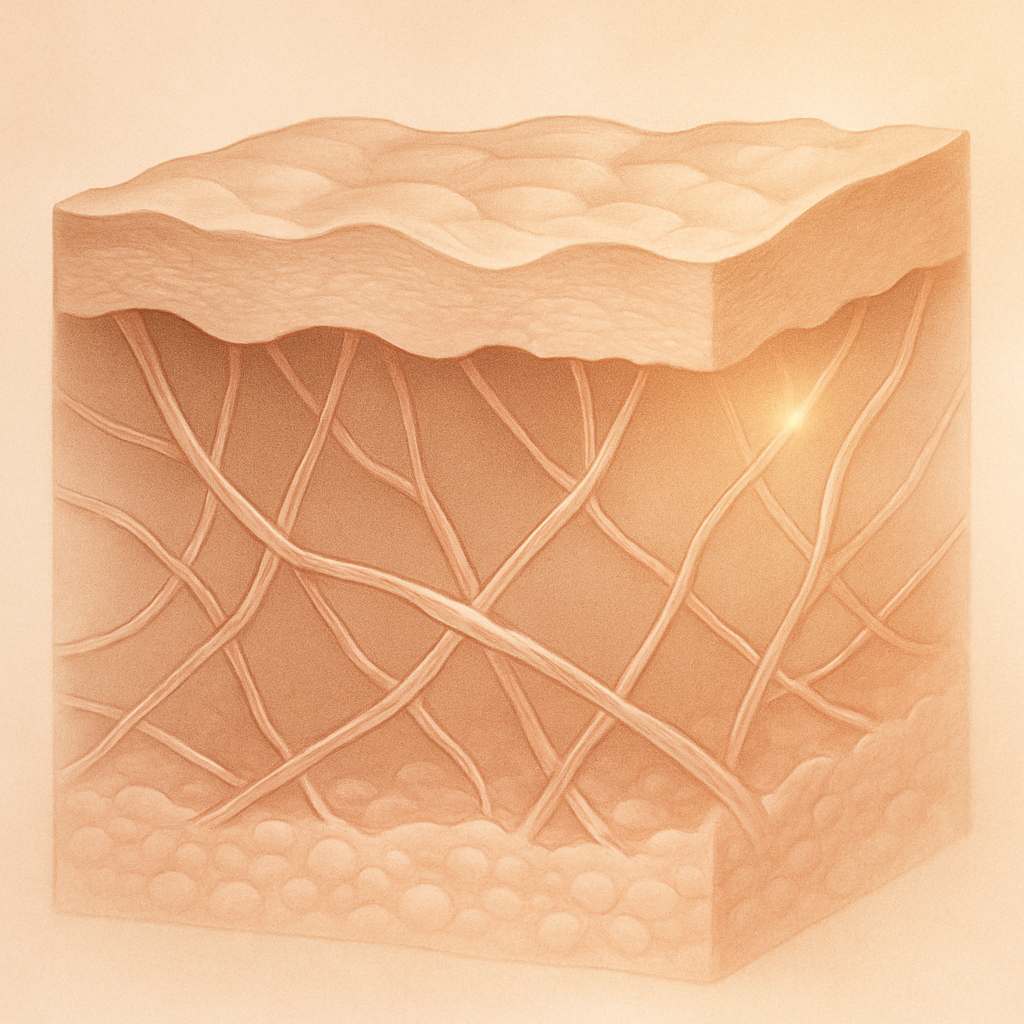
The UltraClear 2910nm Cold Fiber laser is safer than conventional ablative lasers because of low thermal damage. However, like all medical procedures, side effects can occur depending on the individual. The most common side effects are temporary erythema, swelling, and crust formation. Thanks to Cold Ablation technology, these mostly resolve within 5–7 days. Rarely, side effects such as post-inflammatory hyperpigmentation, hypopigmentation, and infection can occur, differing by an individual's skin type, treatment intensity, and adherence to aftercare. People with a keloid or scarring tendency, those who have taken isotretinoin (Roaccutane) within the past three months, and those with an active skin infection should consult a medical professional before treatment.
Thermal Damage Minimization and Safety
The reason UltraClear 2910nm's Cold Ablation method minimizes thermal damage is that photon energy directly breaks the chemical bonds of water molecules. In this process, there is almost no heat spread to surrounding tissue, so damage to normal skin is low. In contrast, heat-based lasers such as the CO2 laser generate considerable heat in the process of overheating water and converting it to vapor, and this heat spreads 1–2 mm around the treatment target, causing burns. Therefore, UltraClear 2910nm has a low risk of damage to skin appendages such as nerves, blood vessels, and sweat glands, and low risks of side effects such as paresthesia from nerve damage, hematoma from vascular damage, and xerosis from sweat gland damage.
Differences in Results by Individual
The treatment results of UltraClear 2910nm can differ by individual. The younger the person, the less the skin damage, and the better the fibroblast function, the better the treatment response. In addition, treatment intensity and expected effect differ by skin type (Fitzpatrick scale). Lighter skin (Fitzpatrick I–III) responds quickly to treatment with a low risk of pigmentation, while darker skin (Fitzpatrick IV–VI) may respond somewhat more slowly but can be treated. However, a more conservative energy setting may be needed to reduce the risk of pigmentation. Home-care adherence is also important. Factors such as daily sunscreen use, antioxidant supplementation, adequate hydration, and adequate sleep determine the treatment result.
Q. What is the biggest difference between the UltraClear 2910nm Cold Fiber laser and the conventional CO2 laser?
UltraClear 2910nm uses Cold Ablation technology to directly break the chemical bonds of water molecules to remove tissue, so there is almost no thermal damage. In contrast, the CO2 laser (10,600nm) generates considerable heat in the process of overheating water and converting it to vapor, and this heat spreads to surrounding normal tissue, causing a risk of burns. Therefore, UltraClear has a short recovery period and few side effects, while CO2 has a long recovery period (2–3 weeks) and a higher risk of side effects such as swelling, scabbing, and pigmentation. Results may vary by individual.
Q. Why is the 2910nm wavelength optimal for skin treatment?
The 2910nm wavelength has the highest absorption coefficient for water molecules, the main constituent of human tissue. Because about 70% of human tissue is water, 2910nm laser energy is very efficiently absorbed by water molecules in the tissue. This solves the problem that a too-short wavelength is excessively absorbed in the epidermis and a too-long one fails to penetrate deeply. In addition, 2910nm has low absorption characteristics for other chromophores (melanin, hemoglobin), so off-target tissue damage is low.
Q. How long is the downtime after the UltraClear 2910nm Cold Fiber laser?
Downtime varies by treatment intensity and skin condition but is generally 5–7 days. Light treatment (low-energy settings) has only erythema and slight swelling, allowing a return to normal life within 2–3 days. Medium-to-strong treatment involves crust formation, so a scab may be present for 5–7 days. It is intermediate between a non-ablative laser (almost no recovery period) and a CO2 laser (2–3 week recovery period). Results may vary by individual.
Q. When do the effects appear after UltraClear 2910nm Cold Fiber laser treatment?
Epidermal treatment effects (pigment improvement, brighter tone) begin to appear from right after treatment to within 3 days. Collagen production from stimulation of the dermal-epidermal junction begins from 1–2 weeks and proceeds gradually up to 4 weeks. The collagen remodeling effect of energy reaching deep into the dermis slowly accumulates over 6–12 weeks. Therefore, it is best to wait at least three months to evaluate the best treatment result. Results may vary by individual.
Q. Can the UltraClear 2910nm Cold Fiber laser be used on all skin types?
UltraClear 2910nm can be used on all skin types, but treatment intensity and expected effect differ by skin type. Lighter skin (Fitzpatrick I–III) can be treated at normal intensity for a fast response. For darker skin (Fitzpatrick IV–VI), starting with a more conservative energy setting is recommended to reduce the risk of pigmentation. In addition, those with a keloid tendency or a current active skin infection need to consult a medical professional before treatment. Results may vary by individual.
Notice under Article 56 of the Medical Service Act: This article is intended to provide dermatological information and does not replace diagnosis or prescription. Results may vary from person to person.